
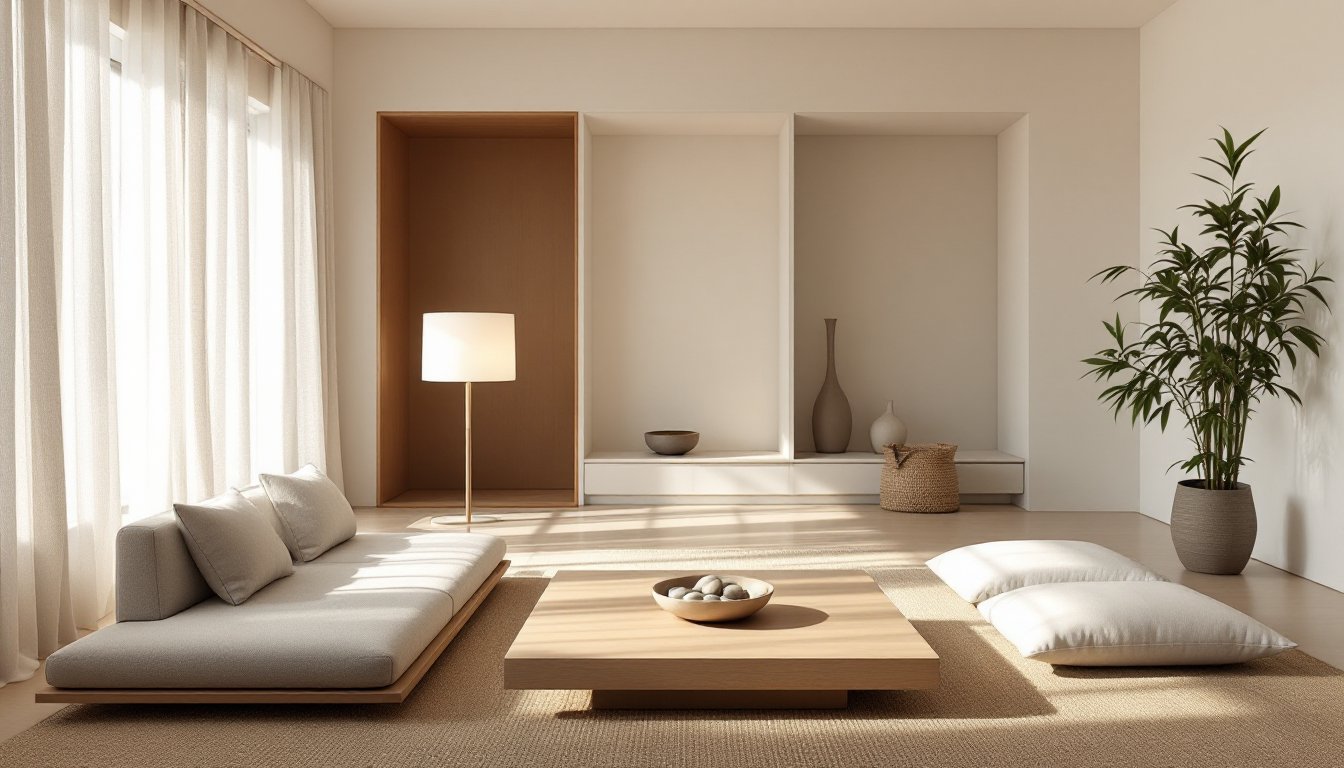
Japanese design has long been admired for its clean lines, intentional simplicity, and deep respect for natural materials, principles that translate beautifully into today’s living spaces. A modern Japanese living room isn’t about importing exotic furniture or mimicking a tea house: it’s about embracing spatial harmony, thoughtful minimalism, and a connection to nature. Whether someone’s renovating an entire room or adding subtle touches, understanding the core design principles makes the difference between a trendy aesthetic and a genuinely calming, functional space. This guide breaks down the essential elements, practical layout strategies, and DIY-friendly techniques to create an authentic Japanese-inspired living room in 2026.
Table of Contents
ToggleKey Takeaways
- A modern Japanese living room balances wabi-sabi and ma (negative space) with low-profile furniture, natural materials, and minimal ornamentation to create a calm, uncluttered environment.
- Furniture in Japanese-inspired spaces sits significantly lower than Western standards (12-16 inches for sofas) and features clean lines, hardwood frames, and sliding storage doors to reinforce visual simplicity.
- Natural materials like solid wood, bamboo, linen, and stone form the foundation of an authentic modern Japanese living room, with finishes kept to matte or satin to reveal grain rather than plastic shine.
- Color palettes should stay neutral and nature-derived—warm whites, soft grays, earth tones, and muted greens—while avoiding bold patterns and relying instead on texture from natural fibers and wood grain.
- Effective layout prioritizes circulation and breathing room with furniture floating in the space rather than hugging walls, maintaining at least 36 inches of walkway clearance and emphasizing empty floor space over maximum seating.
- DIY projects like lowering existing furniture, installing sliding room dividers, refinishing wood pieces, and building tokonoma display alcoves allow homeowners to authentically transform their living rooms without major renovation costs.
What Defines a Modern Japanese Living Room?
At its core, a modern Japanese living room balances wabi-sabi (finding beauty in imperfection) with ma (the concept of negative space). Unlike Western living rooms that often prioritize filling space, Japanese design values emptiness as much as the objects within it. This doesn’t mean bare or cold, it means intentional.
The modern interpretation softens strict traditional rules. While a traditional Japanese home might have tatami mats and shoji screens, a modern approach incorporates these principles through low-profile furniture, neutral color schemes, and natural light management. The goal is creating a space that feels uncluttered, grounded, and tranquil without sacrificing comfort or functionality.
Key characteristics include:
- Horizontal emphasis: Furniture sits low to the ground, drawing the eye across the room rather than upward
- Natural materials: Wood, bamboo, stone, and linen dominate over synthetics
- Minimal ornamentation: Decor serves a purpose or holds meaning: random knickknacks are absent
- Flexibility: Rooms often serve multiple functions, so furniture and storage solutions need to adapt
This isn’t a style that works with impulse purchases. Every piece should earn its place through function, beauty, or both.
Essential Elements of Japanese-Inspired Living Spaces
Minimalist Furniture and Low-Profile Seating
The furniture in a Japanese living room sits significantly lower than standard Western pieces. Platform sofas typically measure 12-16 inches in seat height (compared to 18-20 inches for conventional sofas), and floor cushions (zabuton) or low benches often replace accent chairs entirely.
When selecting a sofa, look for clean-lined designs without ornate details. Hardwood frames in oak, walnut, or ash with simple joinery work best. Avoid tufted backs, rolled arms, or heavy upholstery. If purchasing new isn’t an option, existing furniture can be modified: remove decorative legs and replace them with shorter furniture feet (available in 2-4 inch heights at hardware stores) or build a simple platform base from 2×6 or 2×8 lumber.
Low coffee tables are non-negotiable. Traditional chabudai tables stand 10-12 inches tall, though 14-16 inches works for homes using sofas rather than floor seating. Many homeowners embrace contemporary furniture designs that blend Japanese minimalism with modern functionality. Materials matter: solid wood beats veneer or laminate every time.
Storage furniture should have sliding doors (reminiscent of shoji screens) rather than hinged doors. This saves space and reinforces the visual language. Built-in or low-profile media consoles keep electronics present but not dominant.
Natural Materials and Organic Textures
Wood is the foundation. Light woods like maple, birch, and ash create airiness, while darker walnut or teak add warmth without heaviness. Avoid high-gloss finishes, opt for matte or satin sheens that show the grain. If working with existing painted furniture, stripping and refinishing with a natural Danish oil or tung oil brings out the wood’s character without adding plastic-like shine.
Bamboo works for window treatments, room dividers, or accent pieces. Real bamboo blinds filter light beautifully: synthetic versions look cheap. Jute or sisal rugs add texture underfoot without pattern overload. Wool is acceptable: anything synthetic or plush reads wrong.
For textiles, stick to linen, cotton, and hemp. Cushion covers, throws, and curtains should have visible texture, the slight irregularity of natural fibers beats machine-perfect synthetics. Colors stay neutral: off-white, flax, stone gray, or soft charcoal.
Stone elements ground the space. A small indoor rock garden (even a desktop version), stone coasters, or a single sculptural stone on a shelf brings the material palette full circle. Avoid fake stone or resin, the weight and coolness of real stone is part of the experience.
Color Palettes That Create Calm and Balance
Japanese interiors rely on subdued, nature-derived colors rather than bold statements. The base palette consists of:
- Whites and creams: Warm whites with slight yellow or gray undertones (avoid stark, cool whites)
- Grays: From pale dove to deep charcoal, used for accent walls or textiles
- Earth tones: Soft browns, taupes, and sandy beiges
- Muted greens: Sage, celadon, or moss (never bright or neon)
- Black: Used sparingly as grounding accents (window frames, table legs, vases)
Wall color sets the tone. Sherwin-Williams Alabaster or Benjamin Moore White Dove work as base whites. For a warmer feel, Accessible Beige or Edgecomb Gray add subtle warmth without reading as brown or pink.
If painting an accent wall, choose the wall opposite the main seating or behind a focal point like a tokonoma-inspired display niche. Color should recede, not jump forward, think Benjamin Moore Stonington Gray or Farrow & Ball Worsted, not navy or emerald.
Wood tones count as color. If floors are warm oak, balance with cooler-toned furniture. Dark walnut furniture pairs well with lighter walls and floors. The goal is layered neutrals that create depth without contrast shock.
Avoid patterns almost entirely. If pattern appears, it’s subtle: sashiko stitching on a pillow, the grain of wood, or the weave of a textile. Geometric prints, florals, and graphic patterns break the aesthetic. Modern interpretations feature home design ideas that balance traditional restraint with contemporary warmth.
How to Achieve the Perfect Layout and Flow
Japanese spatial planning prioritizes circulation and breathing room. Furniture shouldn’t hug walls or create tight conversation pits. Instead, pieces float in the room with clear pathways around them.
Start by identifying the room’s focal point, typically a window with natural light or a feature wall. Arrange seating to face this focal point while maintaining at least 36 inches of clearance for walkways (42 inches is better). Unlike Western layouts that maximize seating, Japanese design values empty floor space. If a room feels crowded, remove furniture rather than rearrange it.
Symmetry isn’t required, but balance is. If a sofa sits left of center, balance it with a plant or floor lamp on the opposite side, not matching, but equivalent in visual weight.
Shoji-inspired room dividers work well in open-plan homes. A simple frame-and-panel screen (build it from 1×2 pine or poplar with translucent shoji paper or frosted acrylic panels) creates zones without walls. Three panels measuring 72 inches high and 24 inches wide each provide flexible division. Use butt hinges for clean connections.
Lighting layers the space. Avoid overhead chandeliers or bright ceiling fixtures. Instead, use:
- Paper lanterns (Noguchi-style Akari lamps) for ambient light
- Floor lamps with fabric or paper shades
- Indirect LED strips behind furniture or in recessed ceiling coves
- Candles or low-wattage table lamps for evening warmth
All light should be warm white (2700-3000K). Cool white or daylight bulbs kill the atmosphere.
Window treatments control natural light without blocking it. Sheer linen curtains or matchstick bamboo blinds filter harsh sun while maintaining a connection to the outdoors. Blackout curtains and heavy drapes don’t belong here.
DIY Tips for Adding Japanese Style to Your Living Room
Transforming a living room doesn’t require a full renovation. These DIY projects deliver authentic Japanese character without major construction:
Build a Tokonoma Display Alcove: A tokonoma is a recessed space for art or seasonal displays. If full recess isn’t feasible, create a shadow box effect using 1×6 boards to frame a section of wall. Paint the interior a shade darker than the surrounding wall. Add a small shelf at waist height using a floating shelf bracket. Display one item at a time, a ceramic vase, a scroll, or a seasonal branch arrangement.
Lower Existing Furniture: For sofas or chairs with removable legs, replace them with shorter alternatives. Most furniture legs attach via hanger bolts or T-nuts: unscrewing and swapping takes 20 minutes. For pieces without removable legs, cutting them down is possible but requires a flush-cut saw and careful measurement. Cut all four legs simultaneously clamped together to ensure level.
Install Sliding Closet Doors as Room Dividers: Retrofit bypass closet door hardware (the kind that uses top-mounted rollers) to create lightweight modern home decor panels. Use lauan plywood (1/4 inch) framed with 1×2 lumber, then cover with fabric, shoji paper, or frosted contact film. Mount the track to ceiling joists or use toggle anchors rated for the door weight.
DIY Floor Cushions: Cut high-density foam (4-6 inches thick) into 24×24-inch squares. Wrap in batting, then sew removable covers from linen or heavy cotton. Envelope-style closures (no zippers needed) keep things simple. Four cushions cost $80-120 in materials and beat $60-each retail versions.
Create a Pebble Accent: Fill a wide, shallow bowl or tray with river stones (available at landscape supply stores for $30-50 per 50-pound bag). Arrange around a candle or small plant. For a permanent installation, use stones as picture frame mat fill in a deep shadow box frame.
Refinish Wood Furniture: Strip existing stain with Citristrip (low-VOC and DIY-friendly). Sand to 220-grit, then apply Watco Danish Oil in Natural or Medium Walnut. Two coats with 220-grit sanding between brings out grain without gloss. Total cost: under $40.
Faux Shoji Window Panels: For standard double-hung windows, build simple frames from lattice strips (3/8 × 1-3/8 inches) arranged in a grid pattern. Attach shoji paper or white tissue paper with spray adhesive. Mount the frame over the lower window sash using L-brackets. These panels filter light while adding authentic detail for $15-25 per window.
Safety note: When cutting lumber or using power tools, always wear safety glasses and hearing protection. Use a dust mask when sanding, especially with older furniture that may have lead-based finishes.
These projects prioritize authenticity over quick fixes. Japanese design rewards patience and careful execution, rushing or cutting corners shows immediately in the final result.