Choosing the right window treatments for a living room isn’t just about blocking light, it’s about defining the room’s style, controlling privacy, and creating a finished look that pulls the space together. Modern drapes have evolved beyond heavy, ornate curtains into streamlined, functional pieces that complement contemporary interiors. Whether working with floor-to-ceiling windows or standard double-hungs, the right drapes can soften hard lines, add texture, and even improve energy efficiency. This guide walks through everything needed to select, install, and maintain modern drapes that fit both the space and the homeowner’s design vision.
Table of Contents
ToggleKey Takeaways
- Modern drapes for living rooms prioritize clean lines, minimal embellishment, and functional simplicity—with every design element serving a clear purpose rather than purely decorative intent.
- Fabric choice is critical: linen blends, performance velvet, and cotton canvas are ideal for modern spaces, while machine-washable and stain-resistant options work best for homes with pets or children.
- Proper measurement and installation are essential—mount rods 8 to 12 inches beyond the window frame and 4 to 6 inches above the trim to make ceilings appear taller and achieve a polished look.
- Monochromatic neutrals create a seamless backdrop, but strategic accent colors like navy or forest green can anchor a room when echoed in complementary decor.
- Regular maintenance using an upholstery vacuum attachment, gentle steaming, and spot-cleaning keeps modern drapes crisp and extends their lifespan without constant fussing.
What Makes Drapes ‘Modern’? Key Design Elements to Know
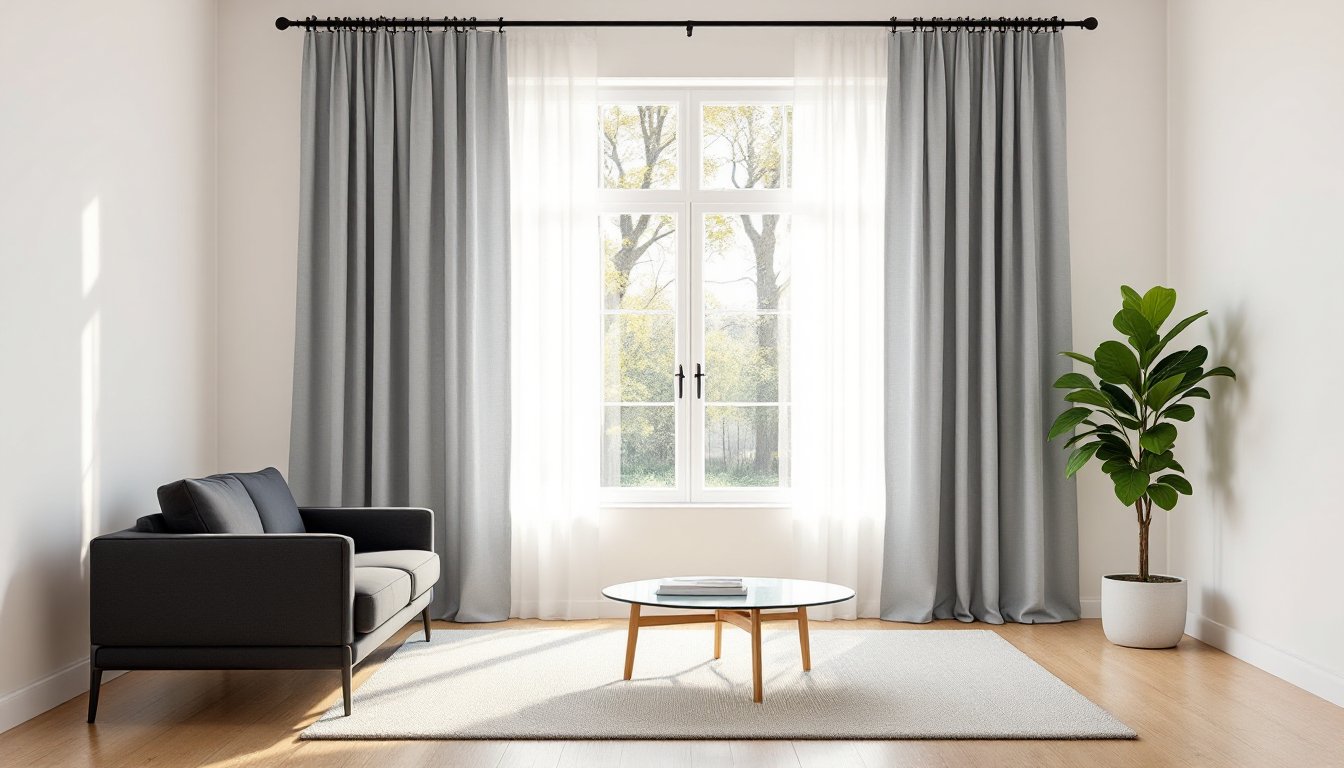
Modern drapes differ from traditional styles in their emphasis on clean lines, minimal embellishment, and functional simplicity. There’s no heavy fringe, tassels, or valances cluttering the top. Instead, modern treatments rely on quality fabric, precise tailoring, and hardware that either disappears or becomes a deliberate design feature.
Key characteristics include:
- Full-length panels that graze or puddle slightly on the floor, creating vertical lines that make ceilings appear higher
- Wide, flat pleats or simple grommets instead of pinch pleats or swags
- Neutral or monochromatic color palettes, though bold accent colors work when the rest of the room is restrained
- Concealed or minimalist hardware, think slim rods in matte black, brushed nickel, or even ceiling-mounted tracks
- Layering capability, designed to work with roller shades, sheers, or blackout liners without looking bulky
Modern doesn’t mean cold or sterile. It means intentional. Every element serves a purpose, and nothing is there just for decoration. The focus shifts from ornament to proportion, texture, and how the fabric interacts with natural light throughout the day.
Choosing the Right Fabric for Modern Living Room Drapes
Fabric choice determines how drapes hang, how much light they filter, and how much maintenance they’ll require. Modern living rooms typically call for mid-weight to heavyweight fabrics that drape smoothly without looking stiff.
Popular fabric options:
- Linen and linen blends: Natural texture, relaxed drape, and a slightly lived-in look. Pure linen wrinkles easily, so blends with polyester (typically 60/40 or 50/50) hold their shape better. Expect moderate light filtration, not blackout, but enough to soften harsh afternoon sun.
- Velvet: Adds warmth and richness without going traditional. Modern velvets are typically performance fabrics (often polyester-based) that resist fading and crushing. Excellent for light blocking and sound dampening. Heavier panels may require sturdier hardware.
- Cotton canvas: Durable, affordable, and easy to clean. Works well for casual or transitional spaces. Canvas accepts dye evenly, so color options are broad. Medium opacity, provides privacy but not complete darkness.
- Sheer polyester or voile: For layering or solo use in rooms where privacy isn’t a concern. Diffuses light beautifully and adds softness without weight. Often paired with blackout roller shades behind.
Avoid heavily textured weaves, damasks, or anything with a sheen unless the goal is a specific vintage-modern hybrid. Consider how the fabric performs: Does it need to be machine washable? Will it fade in direct sun? Does it meet any fire-retardant requirements (particularly relevant in high-rises or commercial spaces)?
For living rooms with pets or kids, performance fabrics treated for stain resistance save headaches down the road. Many contemporary furniture retailers now stock drapes in these durable, easy-care materials.
Popular Modern Drape Styles and Hanging Methods
How drapes hang affects both aesthetics and function. Modern installations favor simplicity and flexibility.
Hanging methods:
- Grommet panels: Metal-ringed eyelets at the top that slide directly onto the rod. Creates soft, uniform pleats. Easy to open and close. Works best with rods 1 to 1.5 inches in diameter. Not ideal for traversing (motorized) setups.
- Rod pocket: Fabric sleeve sewn at the top. Gives a gathered, slightly casual look. Difficult to slide, so best for stationary panels used as side accents rather than functional coverings.
- Tab top: Fabric loops attach the panel to the rod. More decorative than functional. Modern versions use wide, flat tabs rather than thin straps.
- Ripplefold or wave drapery: Mounted on a track system with evenly spaced carriers. Creates a continuous, flowing wave across the window. Requires a track (ceiling- or wall-mounted) rather than a traditional rod. This is the go-to for high-end modern interiors and is common in new construction where drapes are planned during the design phase.
- Pinch pleat with clips or rings: Classic tailoring, but modern versions use fewer, wider pleats and pair them with simple rings. Offers a polished look without excess fabric bulk.
Panel configuration matters. Two panels that meet in the middle offer the most flexibility. For wide windows (over 8 feet), consider four panels (two stacked on each side) to avoid a single massive drape. Stationary panels flanking a window add softness without function, useful when pairing with blinds or shades.
Color and Pattern Selection for Contemporary Spaces
Color is where homeowners can inject personality without abandoning a modern aesthetic. The safest approach is to match or closely coordinate drapes with wall color to create a seamless backdrop, but strategic contrast works too.
Color strategies:
- Monochromatic neutrals: Whites, grays, taupes, and beiges never go out of style. They recede visually, making the room feel larger and letting furniture and art take center stage. For added interest, choose a fabric with subtle texture, linen weave, herringbone, or a matte velvet.
- Bold accent colors: Deep navy, forest green, charcoal, or even terracotta can anchor a neutral room. This works best when the drape color is echoed in at least one other element (a rug, throw pillows, or artwork) to avoid a disconnected look.
- Earthy tones: Warm ochres, muted olives, and clay shades align with the biophilic design trend popular in 2026. These feel modern but grounded, especially in spaces with natural wood or stone.
Patterns:
Modern drapes typically avoid busy prints, but subtle patterns work:
- Tone-on-tone stripes or geometric prints add dimension without distraction
- Ombré or gradient dyes offer visual interest while staying understated
- Large-scale abstract patterns can work in minimalist rooms if the rest of the decor is simple
Avoid florals, damasks, or anything that reads as traditional. When in doubt, solid wins. Many interior design resources recommend testing fabric samples in the actual room at different times of day, morning light and late afternoon sun can dramatically shift how a color reads.
Measuring and Installing Modern Drapes: A DIY Approach
Accurate measuring is the difference between a polished look and panels that puddle awkwardly or hang too short. Most modern drapes are sold as ready-made panels in standard widths (50 to 54 inches per panel) and lengths (84, 96, 108, or 120 inches).
Measuring steps:
-
Width: Measure the window frame width. For a full, modern look, the rod should extend 8 to 12 inches beyond each side of the frame. Total drape width should be 1.5 to 2.5 times the rod width for proper fullness when closed. For a 60-inch window with a 72-inch rod, aim for 108 to 180 inches of total fabric (two 54-inch panels at minimum, ideally three per side for ripplefold).
-
Length: Measure from where the rod will sit (typically 4 to 6 inches above the frame, or just below the ceiling for a dramatic effect) to the floor. Subtract 0.5 inches for a clean floor-graze or add 1 to 3 inches for a subtle puddle. Avoid the awkward mid-calf length, modern drapes should hit the floor.
-
Hardware height: Mounting the rod closer to the ceiling (even if there’s wall space above the window) makes ceilings feel taller. For 8-foot ceilings, mount 4 to 6 inches above the window trim. For 9-foot or higher ceilings, go even closer to the ceiling or use a ceiling-mounted track.
Installation:
- Tools needed: Drill/driver, level, tape measure, pencil, stud finder (for drywall), appropriate anchors or screws.
- Locate studs if possible. For drywall without studs, use toggle bolts or heavy-duty anchors rated for the combined weight of the rod and fabric. Velvet or layered drapes can exceed 10 pounds per side.
- Mark bracket positions with a level to ensure the rod hangs straight. Even a slight tilt is visible from across the room.
- For grommet or ring panels, slide them onto the rod before mounting the second bracket. For track systems, follow the manufacturer’s instructions, most snap into ceiling or wall clips.
Pro tip: If the window is off-center in the room, consider centering the drapes on the wall rather than the window to create better visual balance. This is especially common in modern home designs where windows may not align with furniture layouts.
Maintaining and Caring for Your Modern Drapes
Modern drapes should stay crisp and clean without constant fussing. Maintenance frequency depends on fabric type, room use, and exposure to dust, pet hair, or cooking odors.
Routine care:
- Vacuum regularly: Use an upholstery attachment on low suction to remove dust from the top and along seams. Do this monthly or whenever dusting the room. Dust buildup dulls fabric and can attract pests in natural fibers like linen or cotton.
- Shake out or steam: For wrinkles after shipping or storage, hang the panels and let gravity do the work for a day or two. A handheld garment steamer works wonders on linen, cotton, and velvet, hold the steamer 6 inches away and work in downward strokes. Never steam synthetics at high heat: they can melt or pucker.
- Spot clean: Blot spills immediately with a clean, damp cloth. Avoid rubbing, which spreads stains. For grease or food stains, a tiny drop of dish soap diluted in water usually works. Test in an inconspicuous area first.
Deep cleaning:
- Machine-washable fabrics (most cotton, polyester, or blends): Remove hardware (rings, clips) and wash on a gentle cycle in cold water with mild detergent. Tumble dry on low or line-dry to prevent shrinkage. Expect some wrinkling, press with a warm iron if needed, or rehang and steam.
- Dry clean only (velvet, silk, or lined panels): Take them to a cleaner once or twice a year, or whenever they look dingy. Some performance velvets can be spot-cleaned at home, but check the care label.
- Sheers and voiles: Often machine washable, but hand washing in a tub preserves delicate fabrics longer. Hang to dry, these dry quickly and rarely need ironing.
Sun damage: UV rays fade fabric over time, especially dark or vibrant colors. Rotate panels annually if only one side gets direct sun, or invest in UV-protective window film. Blackout liners also protect face fabrics from sun exposure.
Conclusion
Selecting modern drapes isn’t about following rigid rules, it’s about understanding proportion, function, and how fabric and hardware work together to create a cohesive look. Measure carefully, choose fabrics that suit the room’s light and use, and don’t be afraid to mount the rod higher than expected. With the right approach, drapes become more than window coverings, they’re architectural elements that define the space.