
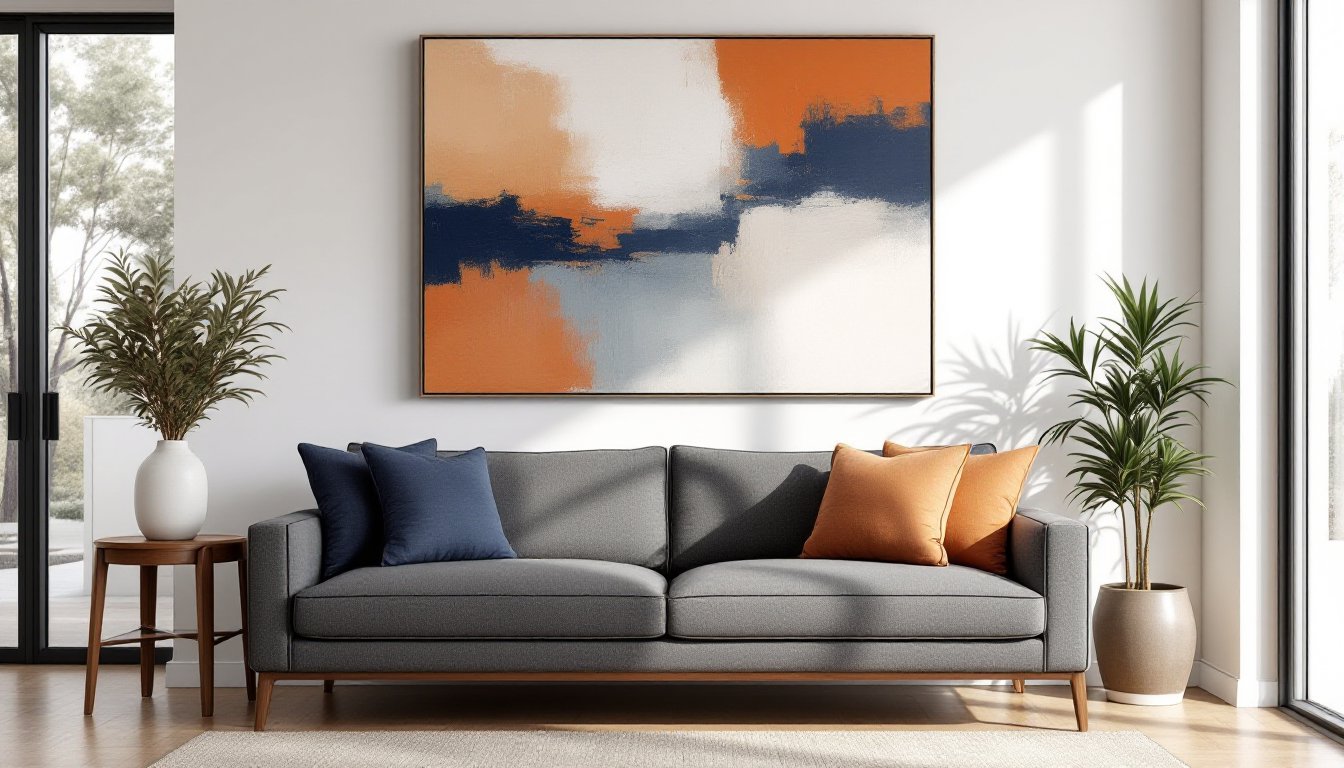
Choosing modern art for a living room isn’t just about filling wall space, it’s about creating a focal point that ties the room together and reflects personal style. The right piece can anchor a seating area, introduce color, or add visual interest to an otherwise neutral palette. But with countless styles, sizes, and price points available, the selection process can feel overwhelming. This guide breaks down the practical considerations, from sizing and placement to color coordination and installation, so homeowners can confidently select and display modern art that elevates their living space.
Table of Contents
ToggleKey Takeaways
- Modern art for living rooms serves as a visual anchor that establishes scale, introduces color, and reflects personal style while distinguishing a curated space from a generic one.
- Choose between abstract, minimalist, or contemporary styles based on your room’s existing design language—neutral spaces benefit from bold abstract art, while busy rooms suit minimalist pieces.
- Size art at two-thirds to three-quarters the width of your sofa and hang it at eye level (57-60 inches from the floor) with 6-8 inches of space above furniture for balanced placement.
- Coordinate modern art with your decor by pulling one or two accent colors from the piece into the room, or use art to introduce missing color to neutral-dominated spaces.
- Budget-friendly options include giclée prints ($50-$300), photography prints from online platforms, DIY canvas art under $50, or upgraded frames that transform affordable posters into gallery-quality displays.
- Use proper installation tools like wall anchors and D-rings for secure hanging, and create cohesive gallery walls by maintaining 2-3 inches between frames and limiting frame finishes to two or three styles maximum.
Why Modern Art Matters in Living Room Design
Modern art serves multiple functional and aesthetic roles in a living room. It acts as a visual anchor, drawing the eye and establishing a hierarchy in the space. Without art, walls feel unfinished, and rooms lack personality, even when furniture and lighting are well-chosen.
From a design perspective, art introduces scale. A large canvas or framed print can balance heavy furniture pieces like sectionals or media consoles, preventing the room from feeling bottom-heavy. It also provides an opportunity to introduce texture, whether through brushstrokes, mixed media, or the frame itself.
Beyond aesthetics, art reflects the homeowner’s taste and creates conversation. A well-chosen piece signals intentionality in design, distinguishing a curated space from a generic one. In open-concept homes, art helps define zones, marking the living area as distinct from dining or kitchen spaces.
Modern art specifically works well in living rooms because it tends to be bold, clean-lined, and versatile. It complements contemporary furniture without competing for attention, and its abstract or geometric nature often suits a range of color palettes and decor styles.
Choosing the Right Modern Art Style for Your Living Room
Not all modern art is created equal, and understanding the distinctions between styles helps narrow down options. The three most common categories, abstract, minimalist, and contemporary, each bring different energy to a living room.
Abstract vs. Minimalist vs. Contemporary Styles
Abstract art is characterized by non-representational forms, bold colors, and expressive brushwork. It works well in rooms with neutral furniture where the art becomes the primary color source. Abstract pieces can be energetic or subdued depending on palette and composition. They’re ideal for homeowners who want a statement piece that sparks conversation.
Minimalist art strips away detail, focusing on simple shapes, monochromatic palettes, or subtle line work. This style suits Scandinavian, mid-century modern, or industrial interiors. Minimalist prints or canvases often feature large blocks of color, thin geometric lines, or negative space. They provide visual interest without overwhelming the room, making them a good fit for smaller living rooms or spaces with busy furniture patterns.
Contemporary art is an umbrella term for work produced in the current era, often blending abstract, figurative, and mixed-media elements. It’s more eclectic than minimalist and can include photography, digital prints, or sculptural pieces. Contemporary art is versatile and works across various design aesthetics, from modern farmhouse to urban loft.
When selecting a style, consider the room’s existing design language. A room with clean lines and neutral tones benefits from minimalist or geometric art. A space with eclectic furniture and layered textures can handle bolder, more curated collections of modern prints with varied compositions. Avoid mixing too many styles on a single wall, cohesion matters more than variety.
Sizing and Placement: How to Position Modern Art for Maximum Impact
Art that’s too small disappears on a large wall: art that’s too large overwhelms the space. The right size depends on the wall and the furniture below it.
Above a sofa: The general rule is that art should be two-thirds to three-quarters the width of the furniture below it. For an 84-inch sofa, that translates to a piece (or grouping) that’s roughly 56 to 63 inches wide. This creates visual balance without crowding.
On a blank wall: For standalone walls without furniture, choose art that fills about half to two-thirds of the wall’s width. Measure the wall and calculate accordingly. A piece that’s too small will look like an afterthought.
Gallery walls: When arranging multiple pieces, treat the entire grouping as one unit. Lay out the arrangement on the floor first, maintaining 2 to 3 inches of space between frames. The overall shape should be cohesive, either a tight grid or a more organic cluster.
Height matters. Hang art so the center of the piece is at eye level, typically 57 to 60 inches from the floor. This is the standard used in galleries. When hanging art above a sofa, leave 6 to 8 inches of space between the top of the furniture and the bottom of the frame. This anchors the piece without creating a floating effect.
Vertical vs. horizontal orientation: Vertical pieces draw the eye upward, making a room feel taller. Horizontal pieces emphasize width, which works well above long sofas or console tables. Match the orientation to the proportions of the wall and the furniture.
Color Coordination: Matching Modern Art With Your Existing Decor
Art doesn’t need to match the room perfectly, but it should relate to the existing color palette. The goal is harmony, not uniformity.
Pull one or two accent colors from the art into the room. If a painting features navy, burnt orange, and cream, those colors can appear in throw pillows, rugs, or pottery. This creates a thread that ties the space together without being matchy-matchy.
Use art to introduce missing color. In a room dominated by neutrals, gray, beige, white, art is the easiest way to add warmth or coolness. A piece with warm ochres or terracottas can soften a cool gray palette. Conversely, blues or greens can cool down a space heavy in browns and tans.
Black and white art is universally versatile. It works in nearly any color scheme and adds graphic impact without competing with existing hues. It’s a safe choice for homeowners uncertain about committing to bold color.
Consider undertones. A painting with warm reds and oranges won’t sit well in a room with cool-toned grays and blues. Check whether the art leans warm (reds, oranges, yellows) or cool (blues, greens, purples) and match that temperature to the room’s base palette.
Many modern home decor ideas emphasize using art as the starting point for a room’s color scheme, especially in open-concept spaces where cohesion across zones is critical.
Budget-Friendly Options for Modern Art Lovers
Original art can run into the thousands, but there are plenty of ways to achieve a high-end look on a modest budget.
Prints and posters: Giclée prints (high-quality inkjet reproductions) offer the look of original paintings at a fraction of the cost. Prices typically range from $50 to $300 depending on size and framing. Frame quality matters, upgrading to a wooden or metal frame instead of a plastic one elevates the entire piece.
Photography prints: Large-scale photography, especially black and white or abstract nature shots, reads as sophisticated and modern. Many photographers sell prints online through platforms like Etsy or Society6, with prices starting around $40 for unframed prints.
DIY canvas art: For the creatively inclined, abstract art is forgiving and approachable. A few tubes of acrylic paint, a canvas (available at craft stores in sizes from 16×20 to 36×48 inches), and painter’s tape for geometric designs can yield custom pieces for under $50. The key is committing to bold color and clean lines, tentative brushwork looks amateurish.
Frame upgrades: A $20 poster can look like a $200 print with the right framing. Invest in a mat (which adds depth) and a simple frame in black, white, or natural wood. Standard sizes (16×20, 18×24, 24×36) keep costs down and are widely available at big-box stores.
Thrift and estate sales: Original art occasionally surfaces at estate sales or secondhand shops. Look for pieces with interesting composition or color, even if the subject isn’t ideal, sometimes a good frame and strategic placement are all that’s needed.
DIY Installation Tips and Gallery Wall Ideas
Hanging art isn’t complicated, but a few tools and techniques ensure straight, secure results.
Tools and materials:
- Level (a 24-inch torpedo level works for most applications)
- Tape measure
- Pencil for marking
- Picture-hanging hardware: Use D-rings and wire for frames heavier than 10 pounds. Sawtooth hangers work for lighter pieces.
- Wall anchors: Drywall alone won’t support heavy art. Use plastic expansion anchors for pieces up to 20 pounds, or toggle bolts for anything heavier. If hanging on a stud (use a stud finder to locate), a 2-inch wood screw provides solid support.
Step-by-step installation:
- Measure the wall and mark the center point where the art will hang.
- Measure from the top of the frame to the hanging hardware (wire or D-ring). Subtract that distance from the desired height.
- Mark the wall at that adjusted height.
- Install the appropriate anchor or screw.
- Hang the frame and check level. Adjust as needed.
Gallery wall layout:
- Maintain consistent spacing: 2 to 3 inches between frames keeps the grouping cohesive.
- Use paper templates: Trace each frame onto kraft paper, cut out, and tape to the wall. This allows for adjustments before committing to nails or screws.
- Start with the largest piece first, then build around it. Center the largest frame (or the visual center of the grouping) at eye level.
- Mix frame styles sparingly: Stick to two or three frame finishes maximum. All black, all natural wood, or a mix of black and gold reads as intentional. Five different finishes looks chaotic.
For heavy pieces (over 30 pounds), consider hiring a handyman if locating studs or drilling into masonry is required. Many design product reviews highlight hanging systems with adjustable rails, which allow for easy repositioning without additional wall holes, a good option for renters or indecisive decorators.
Safety note: Always wear safety glasses when drilling into walls, especially if working with masonry or tile. Dust masks are recommended when drilling drywall to avoid inhaling particles.