
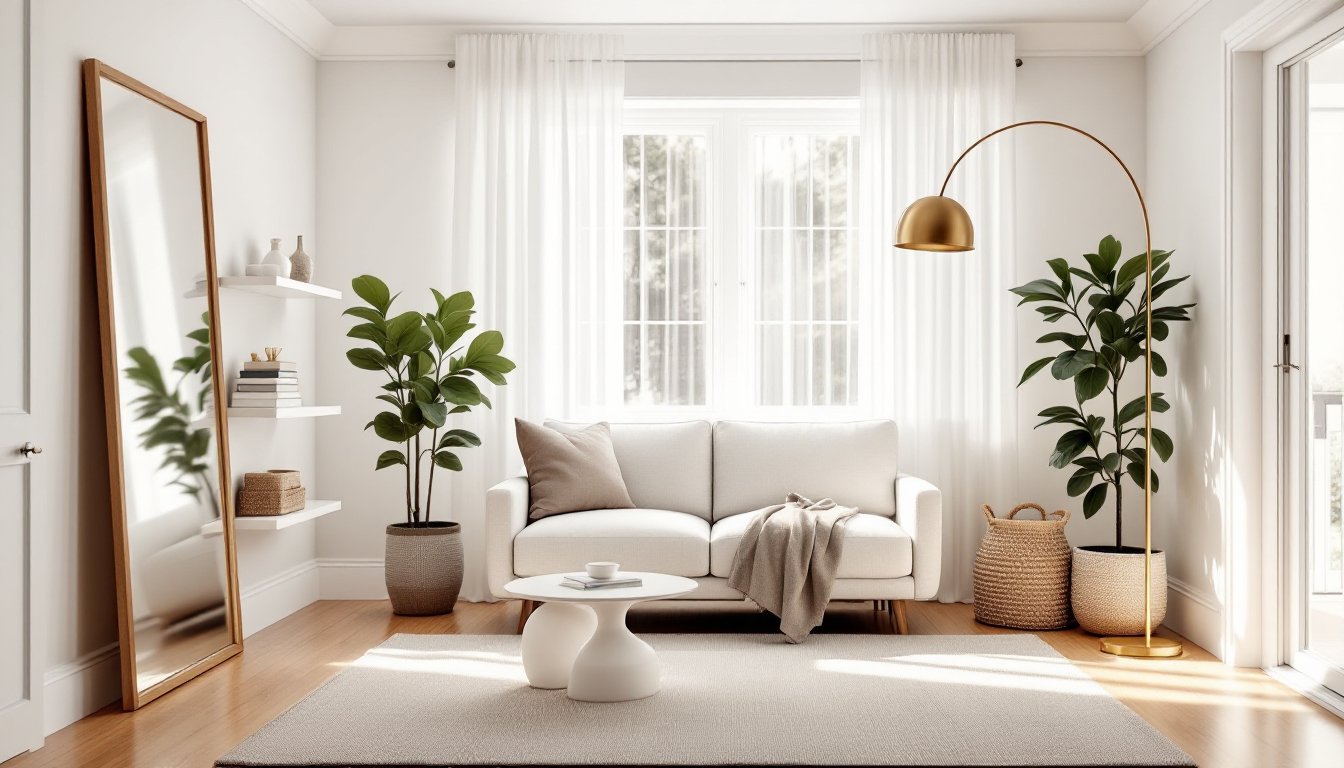
Small living rooms aren’t a compromise, they’re an opportunity to get creative with every square foot. Whether dealing with a starter home, city apartment, or a repurposed den, making a compact space feel open and functional comes down to smart choices, not square footage. The key is working with what’s there: proportion, light, and a clear understanding of how the room gets used. This guide breaks down actionable strategies for furniture selection, layout, color, storage, and visual tricks that actually work. No Pinterest fluff, just practical moves that make a real difference.
Table of Contents
ToggleKey Takeaways
- Choose right-sized furniture with exposed legs and avoid oversized pieces to maintain flow in living room ideas for small spaces.
- Layer three types of lighting—ambient, task, and accent—plus use light neutral colors to visually expand your compact living room.
- Maximize vertical space with wall-mounted shelves, tall bookcases, and floor-to-ceiling storage to free up valuable floor area.
- Use mirrors, transparent furniture, and strategic accent walls to create depth and the illusion of more space without sacrificing style.
- Plan layouts with clear pathways maintaining 24–30 inches of walkway clearance and anchor the room with properly-sized area rugs to improve flow.
- Keep decor intentional and minimal by choosing one bold statement piece over multiple accessories to enhance perceived openness.
Smart Furniture Choices for Compact Living Rooms
Every piece in a small living room needs to earn its place. Oversized sectionals and bulky armchairs might look comfortable in a showroom, but they’ll swallow a tight footprint fast. The goal is right-sized furniture that fits the room’s scale without blocking pathways or windows.
Start with the sofa. A three-seater typically measures 78–84 inches wide, manageable in most rooms, but consider a loveseat (58–64 inches) or apartment-size sofa (68–76 inches) if wall space is tight. Leggy furniture, pieces with exposed legs instead of skirted bases, creates visual breathing room by showing more floor. This trick alone makes a room feel less cramped.
Avoid pushing all furniture against the walls. Floating a sofa a few inches off the wall can actually improve traffic flow and create usable space behind it. Pair seating with nesting tables or a lift-top coffee table that doubles as a work surface or dining spot.
Multi-Functional Pieces That Work Double Duty
Multi-functional furniture isn’t just clever, it’s essential in compact spaces. A sleeper sofa or futon provides guest sleeping without dedicating a room to a bed. Storage ottomans offer hidden compartments for throws, remotes, or board games while serving as extra seating or a footrest.
Look for consoles and benches with built-in shelving or drawers. A narrow console table behind a sofa (10–14 inches deep) adds surface area for lamps or decor without taking up floor space. Drop-leaf or extendable tables can shrink when not in use and expand for gatherings.
Modular seating, like sectional pieces that reconfigure, lets homeowners adapt the layout as needs change. Some designs break apart into chairs and loveseats, offering flexibility that a fixed sofa can’t match.
Color and Lighting Strategies to Expand Your Space
Color directly affects how spacious a room feels. Light, neutral palettes, whites, soft grays, beiges, and pale blues, reflect more light and visually push walls outward. That doesn’t mean the space has to feel sterile. Layering textures (linen, wool, woven baskets) adds warmth without darkening the palette.
If painting, use the same color on walls, trim, and ceiling to eliminate visual breaks. High-gloss or satin finishes reflect more light than flat paint, amplifying brightness. One gallon of interior paint typically covers 350–400 square feet with one coat, most small living rooms need just one to two gallons for walls.
Dark accent walls can work, but use them strategically. A single deep-toned wall behind a sofa creates depth without closing in the room. Balance it with lighter tones elsewhere.
Lighting is just as critical. A single overhead fixture casts harsh shadows and flattens the room. Instead, layer three types of lighting: ambient (overhead or recessed), task (reading lamps, under-shelf LEDs), and accent (wall sconces, picture lights). Dimmer switches let occupants adjust mood and perceived scale throughout the day.
Maximize natural light by keeping window treatments minimal. Sheer curtains or cellular shades filter light without blocking it. Mount curtain rods close to the ceiling and let panels extend past the window frame, this draws the eye up and makes windows appear larger. Many home design resources emphasize vertical lines to create height in compact spaces.
Layout and Traffic Flow Tips for Small Spaces
A poorly planned layout makes a small room feel chaotic. Start by identifying primary pathways, routes from entryways to seating, from seating to windows or adjoining rooms. Maintain at least 24–30 inches of clearance for walkways: 36 inches is better if the room sees regular traffic.
Arrange seating to encourage conversation without crowding. A sofa facing two chairs with a low coffee table in between creates a natural gathering zone. Keep the coffee table about 14–18 inches from the sofa edge, close enough to reach, far enough to avoid knee-banging.
Anchor the room with an area rug, but size it properly. The rug should extend at least 6 inches beyond the coffee table on all sides, with front furniture legs resting on it. A too-small rug visually fragments the floor and makes the space feel smaller. Common area rug sizes for compact living rooms are 5×7 feet or 6×9 feet.
Avoid blocking windows or heating vents with furniture. Both reduce functionality and create dead zones. If the room has a focal point, fireplace, large window, built-in shelving, orient seating toward it. If there’s no natural focal point, create one with a gallery wall or mounted TV.
Corner spaces often go unused. A corner shelf, small desk, or angled accent chair can activate these zones without disrupting flow. Just ensure corners don’t become clutter magnets, define their purpose clearly.
Vertical Storage and Display Solutions
When floor space is tight, go vertical. Wall-mounted shelves, tall bookcases, and floor-to-ceiling cabinetry pull the eye upward and take advantage of often-wasted height.
Floating shelves are a DIY-friendly option. Install them above seating, flanking windows, or in awkward niches. Use 1×8 or 1×10 nominal boards (actual dimensions: ¾×7¼ inches and ¾×9¼ inches) for sturdy, shallow storage. Always locate wall studs, typically spaced 16 inches on center, and anchor shelves with appropriate fasteners. Drywall anchors alone won’t support heavy loads.
Tall bookcases (72–84 inches high) maximize storage without eating up floor space. Keep lower shelves for heavier items (books, bins) and upper shelves for lighter decor. Many apartment living experts recommend using vertical storage to free up precious floor area in smaller homes.
Wall-mounted TV installations eliminate the need for a bulky entertainment center. Mount the screen at eye level when seated, usually 42–48 inches from the floor to the center of the screen. Run cables through the wall using an in-wall cable management kit (available at home centers) for a clean look. Note: Some jurisdictions require a permit for running low-voltage wiring behind walls: check local codes.
Pegboards and rail systems offer modular storage that adapts as needs change. They’re ideal for entryways or tight alcoves where flexibility matters.
Don’t forget the back of the door. Over-the-door hooks or slim organizers add storage without permanent installation, helpful for renters or anyone avoiding drywall repairs.
Decor Tricks to Create the Illusion of More Room
Strategic decor can visually enlarge a small living room. Mirrors are the most effective tool. A large mirror (36×48 inches or bigger) opposite a window reflects natural light and doubles the visual depth. Lean an oversized floor mirror against a wall or mount a gallery of smaller mirrors in varied frames for a collected look.
Keep decor minimal and intentional. Clutter, stacks of magazines, random tchotchkes, too many throw pillows, shrinks perceived space. Edit down to a few statement pieces: one large piece of wall art instead of a dozen small prints, a single sculptural vase instead of a shelf full of knick-knacks.
Use vertical stripes in rugs, curtains, or wallpaper to draw the eye upward and emphasize ceiling height. Horizontal stripes can widen a narrow room but use them carefully, they can also visually lower the ceiling.
Transparent furniture, acrylic coffee tables, glass-top side tables, or clear chairs, takes up physical space without blocking sightlines. This trick works especially well in rooms with limited natural light. Browse interior design galleries to see how transparent materials maintain openness in compact layouts.
Choose decor with reflective or glossy finishes: lacquered tables, metallic lamp bases, glass accessories. These surfaces bounce light and add a sense of airiness.
Scale matters. One large plant (a fiddle-leaf fig or tall snake plant) makes a bolder, cleaner statement than several small pots scattered around. Oversized art, one piece that fills most of a wall, can actually make a small room feel more expansive than a busy gallery wall.
Finally, maintain clean lines. Avoid fussy, ornate furniture with heavy detailing. Simple silhouettes and streamlined profiles keep the visual field calm and spacious.
Conclusion
Small living rooms demand thoughtful decisions, but they don’t require sacrificing style or comfort. Focus on furniture that fits the scale, use color and light to open up sightlines, plan layouts that preserve flow, and take full advantage of vertical space. The best small living rooms feel intentional, every choice serves a purpose, and nothing is there by default.