
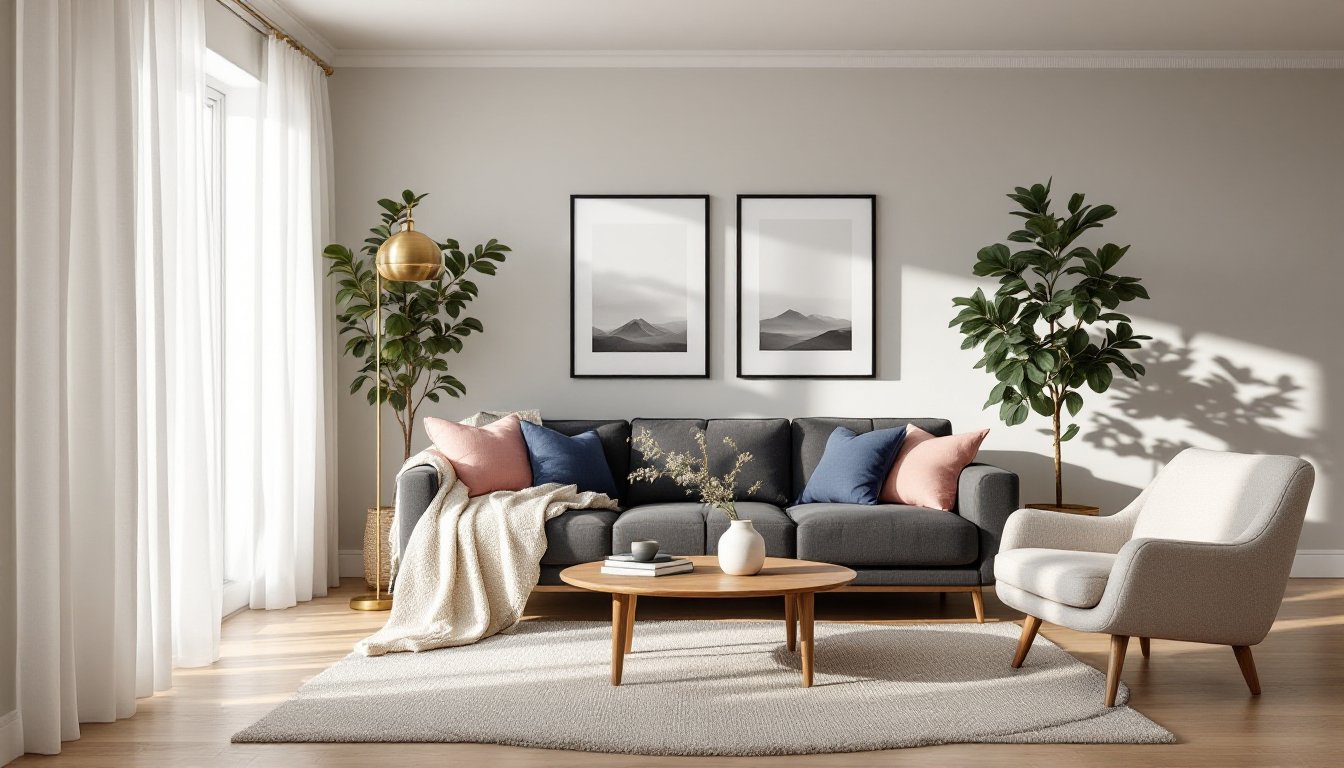
Light grey has become one of the most versatile and enduring choices for living room design, and for good reason. It bridges the gap between cool minimalism and cozy neutrality, creating a backdrop that works with nearly any style, from modern to farmhouse. Whether someone’s planning a full renovation or a simple refresh, light grey walls, furniture, and accents offer flexibility without the starkness of white or the heaviness of dark charcoal. This guide walks through practical ways to use light grey in a living room, covering paint selection, furniture choices, texture layering, accent colors, and lighting strategies that bring the space to life.
Table of Contents
ToggleKey Takeaways
- Light grey living room ideas work as a true neutral that maintains consistency across different times of day while hiding minor wall imperfections better than pure white.
- Test 2–3 light grey paint shades on large poster boards at different times of day to identify undertones that complement your natural light and existing flooring or trim.
- Layer textures like chunky knits, linen curtains, velvet pillows, and area rugs to add warmth and dimension to grey spaces without introducing new colors.
- Pair light grey walls with accent colors like navy blue, blush pink, sage green, or mustard yellow to create mood and visual interest—limit choices to two or three accents maximum.
- Design layered lighting with ambient, task, and accent lights, and use warm white bulbs (2700K–3000K) to counteract grey’s coolness and keep the space feeling inviting.
- Introduce contrast through furniture materials like wood, leather, brass, or glass to prevent light grey living room designs from feeling flat or washed out.
Why Light Grey Works Perfectly in Living Rooms
Light grey functions as a true neutral, meaning it doesn’t compete with other colors or design elements. Unlike beige, which can skew warm or yellow depending on lighting, grey maintains a more consistent appearance across different times of day. This stability makes it easier to layer in wood tones, metallics, textiles, and accent colors without clashing.
From a practical standpoint, light grey hides minor wall imperfections better than pure white while still reflecting enough light to keep a room feeling open. It’s also forgiving with touch-ups, most light grey paints blend seamlessly when spot-applied, unlike deeper tones that show overlap marks.
Grey’s adaptability extends to resale value. Neutral palettes appeal to a broader range of buyers, and light grey reads as contemporary without feeling trendy. It’s a safe choice for homeowners planning to sell within a few years, but it’s also timeless enough to enjoy long-term without feeling dated.
Finally, grey complements natural light beautifully. In north-facing rooms that receive cooler, indirect light, it enhances the calm, serene quality. In south-facing spaces with abundant warm light, it balances the intensity without going cold. This flexibility makes it a reliable option regardless of a home’s orientation.
Choosing the Right Light Grey Paint Shade
Not all light greys are created equal. The undertone, whether blue, green, purple, or brown, dramatically affects how the color reads in a space. Before committing to a full room, test 2–3 shades on a large poster board or directly on the wall. Observe them at different times of day, especially in morning and evening light, to see how they shift.
Cool greys with blue or green undertones work well in modern or coastal interiors. They pair cleanly with white trim, stainless steel, and glass. But, in rooms with little natural light, they can feel sterile or even slightly dingy. If the living room lacks windows or faces north, consider a warm grey with beige or taupe undertones instead. These greys add subtle warmth without veering into tan territory.
Paint sheen matters more than most DIYers realize. Eggshell or satin finishes are ideal for living room walls, they’re durable enough to wipe down but don’t highlight every drywall seam or nail pop the way flat paint does. Reserve matte finishes for low-traffic spaces or ceilings.
Coverage varies by brand and primer use, but expect 350–400 square feet per gallon for quality paint. For a standard 12′ x 15′ living room with 8-foot ceilings, plan on two gallons for two coats. Always prime if painting over a bold color or fresh drywall: grey is notorious for showing streaks without proper base prep.
Finally, test paint next to existing flooring, furniture, and trim. A grey that looks perfect on a paint chip can clash with honey oak floors or cream-colored baseboards. Undertones should harmonize with the room’s fixed elements.
Furniture and Upholstery Ideas for Light Grey Spaces
When walls are light grey, furniture can either blend in for a monochromatic look or provide contrast for visual interest. A charcoal grey sofa against light grey walls creates depth without introducing new colors. This works especially well in modern or Scandinavian interiors where simplicity is the goal. Add texture through fabric choice, linen, bouclé, or tweed upholstery keeps the palette neutral but prevents flatness.
For a softer, more traditional approach, cream or beige upholstery warms up grey walls and adds a welcoming feel. Pair this with wood furniture in walnut or oak tones to ground the space. Avoid matchy-matchy sets: mix a grey armchair with a beige sofa, or combine a grey sectional with a wooden coffee table and woven accent chairs.
Leather furniture, whether black, brown, or cognac, adds richness to light grey rooms. The natural grain and patina of leather introduce organic variation that contrasts nicely with the flatness of painted walls. Keep in mind that darker leather shows dust and pet hair more than lighter fabrics, so factor in maintenance.
Metal and glass furniture also complement grey beautifully. A brass or gold coffee table adds warmth and a touch of glamour, while chrome or brushed nickel keeps things crisp and modern. Glass tabletops maintain an open feel, which is helpful in smaller living rooms where visual weight matters.
Avoid overdoing it with all-grey furniture. Even in a monochromatic scheme, introducing at least one contrasting element, whether it’s wood, metal, or a bold accent chair, prevents the room from feeling washed out or one-dimensional. Many home design platforms showcase how mixing textures and materials keeps neutral spaces from feeling flat.
Adding Warmth with Textures and Layering
Grey can feel cold or flat if every surface is smooth and matte. Layering textures is the most effective way to add dimension and warmth without introducing new colors. Start with textiles: a chunky knit throw, linen curtains, velvet pillows, or a wool area rug. Each material reflects light differently, creating visual interest even within a narrow color range.
Area rugs are especially important in grey living rooms. A wool or jute rug in a textured weave adds warmth underfoot and breaks up the expanse of grey walls and flooring. For a more dramatic look, consider a patterned rug with grey as the base color and accents in navy, blush, or mustard. This introduces color subtly while keeping the overall palette cohesive.
Wood elements, whether through furniture, shelving, or architectural details, bring natural warmth that balances grey’s coolness. Exposed ceiling beams, a reclaimed wood mantel, or even a live-edge coffee table can anchor a grey room and make it feel more organic. Stick with medium to dark wood tones: light ash or bleached wood can blend too much with light grey and lose impact.
Metal finishes also contribute texture. Brushed brass, matte black, or antique bronze hardware on cabinets, curtain rods, and light fixtures adds subtle detail that catches the eye without overwhelming the space. Mix metals carefully, too many finishes can feel chaotic, but two or three coordinated metals add sophistication.
Finally, don’t underestimate the power of plants. Greenery provides a pop of life and color that contrasts beautifully with grey. Large potted plants like fiddle leaf figs or rubber trees make a statement, while smaller succulents and trailing pothos add casual texture on shelves and side tables.
Accent Colors That Complement Light Grey
Light grey serves as an ideal canvas for accent colors, but the choices shape the room’s entire mood. Navy blue is a classic pairing, it adds depth and sophistication without overwhelming the space. Use it in throw pillows, curtains, or a single accent wall. Navy works particularly well in transitional or coastal interiors.
Blush pink or soft coral brings warmth and a hint of femininity to grey rooms. This combination has gained popularity in modern and contemporary spaces, especially when paired with brass or gold hardware. Keep the pink muted: neon or hot pink can clash with grey’s subtlety.
For a bolder look, mustard yellow or burnt orange creates a striking contrast with grey. These warm tones energize the space and work well in mid-century modern or eclectic interiors. Use them sparingly, a single accent chair, a piece of artwork, or a set of throw pillows is often enough.
Sage green or olive introduces an earthy, organic feel that complements grey’s neutrality. This pairing works especially well in homes with natural wood accents and vintage or farmhouse styling. It’s also a forgiving accent color that doesn’t demand perfect coordination.
Black and white accents keep things crisp and graphic. Black picture frames, white vases, or a black-and-white striped rug add contrast without introducing new hues. This approach works in modern, minimalist, or Scandinavian interiors where simplicity is key. Inspiration for using grey with contrasting accents shows how successful these combinations can be in real spaces.
When selecting accent colors, stick to two or three at most. Too many competing hues dilute grey’s grounding effect and make the room feel busy. Choose one dominant accent, one secondary, and use the third sparingly if at all.
Lighting Design to Enhance Your Grey Living Room
Lighting can make or break a grey living room. Poor lighting turns grey walls muddy or lifeless: thoughtful lighting enhances the color’s depth and keeps the space feeling bright and inviting. Start with layered lighting, a combination of ambient, task, and accent lighting.
Ambient lighting provides overall illumination. A ceiling fixture with a dimmer switch offers flexibility for different times of day and activities. In rooms with standard 8-foot ceilings, a flush-mount or semi-flush fixture works: higher ceilings can accommodate a chandelier or pendant light. Aim for a fixture that provides 1,500–3,000 lumens for a medium-sized living room, adjustable via dimmer.
Task lighting includes table lamps, floor lamps, and reading lights. Place lamps on end tables flanking a sofa, or use a floor lamp in a reading nook. Choose bulbs with a warm white color temperature (2700K–3000K) to counteract grey’s coolness. Cooler bulbs (4000K+) can make grey walls feel stark or institutional.
Accent lighting highlights artwork, architectural features, or textured walls. LED strip lights under floating shelves, picture lights above artwork, or wall sconces flanking a fireplace add drama and dimension. This is especially important in monochromatic grey rooms where lighting creates visual interest that color might otherwise provide.
Natural light is the most flattering for grey walls. Maximize it with sheer or light-filtering curtains rather than heavy drapes. If privacy is a concern, consider cellular shades or shutters that allow light control without blocking windows entirely. South- and west-facing windows bring warm afternoon light that softens grey: north-facing rooms benefit from mirrors placed opposite windows to bounce light around.
Finally, consider fixture finishes. Brass, gold, or copper fixtures add warmth to grey spaces, while matte black or brushed nickel keeps things modern and streamlined. Match fixture finishes to other hardware in the room for a cohesive look. Interior resources like Homedit often feature effective lighting strategies for neutral color schemes.
Conclusion
Light grey offers a versatile, timeless foundation for living room design that adapts to nearly any style or preference. By selecting the right paint shade, layering textures, choosing complementary furniture and accents, and designing thoughtful lighting, a grey living room becomes both sophisticated and livable. The key is balance, mixing warm and cool elements, smooth and textured surfaces, and neutral tones with strategic pops of color to create a space that feels intentional, not washed out.