
Imagine a world where companies help solve the greatest challenges while making profits. Sounds pretty fantastic, right? Enter the Unilever Sustainable Living Plan, a dazzling commitment to create a sustainable future through innovative practices, partnership, and a touch of corporate magic. It’s more than just a marketing scheme: it’s a complete overhaul of how business can operate while respecting people and the planet. Let’s jump into the juicy details of this groundbreaking initiative and discover what makes it tick.
Overview of the Unilever Sustainable Living Plan
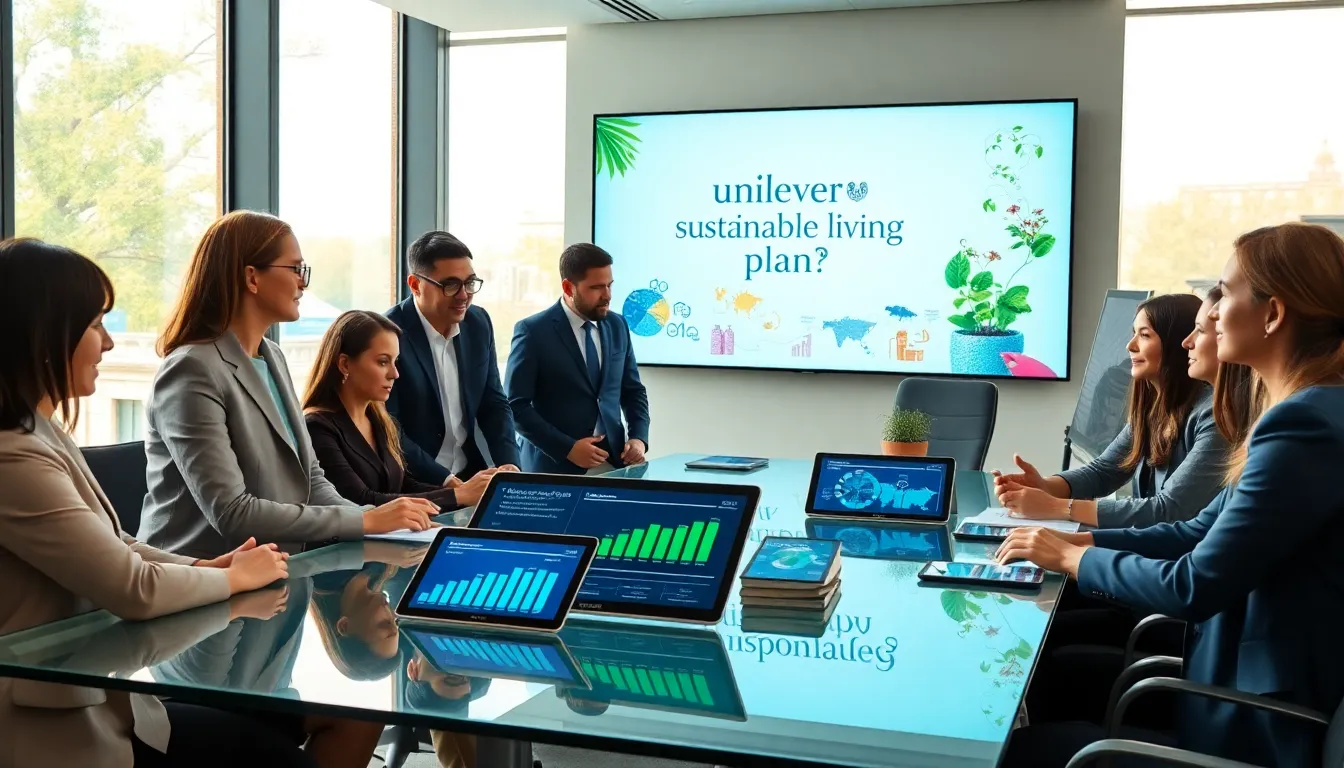
Launched in 2010, the Unilever Sustainable Living Plan represents a bold step toward creating a more sustainable operational model for businesses worldwide. Spanning multiple areas, the plan aims to enhance the company’s portfolio while addressing critical social and environmental issues. With a vision to decouple growth from environmental impact, Unilever’s strategy includes reducing its carbon footprint, improving health and wellbeing, and enhancing livings for millions globally. The Sustainable Living Plan is not just a box to tick: it’s a framework guiding all future business decisions.
This comprehensive model reflects Unilever’s commitment to showcasing that profitability and sustainability can go hand in hand, with initiatives designed around a balance of economic performance and ethical responsibility.
Core Principles of the Plan
The Unilever Sustainable Living Plan is anchored in core principles that fuel its goals: responsibility, transparency, and partnership. By focusing on these pillars, Unilever works towards long-term sustainability that resonates with consumers and encourages positive social change.
Key Goals and Commitments
Unilever has articulated several ambitious goals within the Sustainable Living Plan. These commitments aim at:
- Halving the environmental footprint of their products while doubling their business size.
- Improving the health and well-being of over a billion people.
- Enhancing the livelihoods of millions by promoting fair business practices.
These goals emphasize not only the vision for the planet but also the strategic framework necessary to achieve economic growth through responsible practices.
Environmental Sustainability Initiatives
Through innovative products and practices, Unilever integrates sustainability into every facet of its operations. Their initiatives include:
- Reducing water usage in manufacturing processes.
- Switching to renewable energy sources across its manufacturing sites.
- Sustainable sourcing of raw materials, including palm oil and tea, by working with local communities.
These initiatives set a gold standard for other companies eager to follow in Unilever’s footsteps.
Social Impact Programs
Plus to environmental goals, Unilever addresses significant social issues that affect communities around the world. Their commitment to social impact is visible through various programs targeted at:
- Education: Partnering with local organizations to enhance educational opportunities in underprivileged areas.
- Gender Equality: Empowering women through vocational training and advocacy, helping them lift themselves and their communities.
- Health and Hygiene: Promoting awareness about hygiene through campaigns that reach millions, especially in underserved regions.
These social impact programs reflect a holistic approach to sustainability, proving that corporate responsibility goes beyond just reducing emissions.
Partnerships and Collaborations
Collaboration plays a critical role in the success of the Unilever Sustainable Living Plan. By partnering with NGOs, governments, and other organizations, Unilever can leverage shared knowledge and resources to tackle complex issues.
Measuring Progress and Outcomes
Measuring achievements is crucial to maintaining momentum within the plan. Unilever employs various metrics such as:
- Impact assessments to track improvements in health and well-being.
- Regular reporting of sustainability metrics to maintain accountability.
- Collaborations with academic institutions for research and development.
These strategies ensure transparency and allow stakeholders to assess the effectiveness of ongoing initiatives.
Challenges and Learnings
Even though its ambitious goals, Unilever faces challenges typical in any large-scale initiative. External pressures, market dynamics, and challenges in the supply chain can hinder progress. Also, achieving consensus among various global stakeholders is no small feat.
Nevertheless, these obstacles have provided Unilever invaluable lessons about the importance of resilience and adaptability. Learning from both successes and missteps, Unilever is continuously refining its strategies, emphasizing that the journey toward sustainability is ongoing and evolving.