
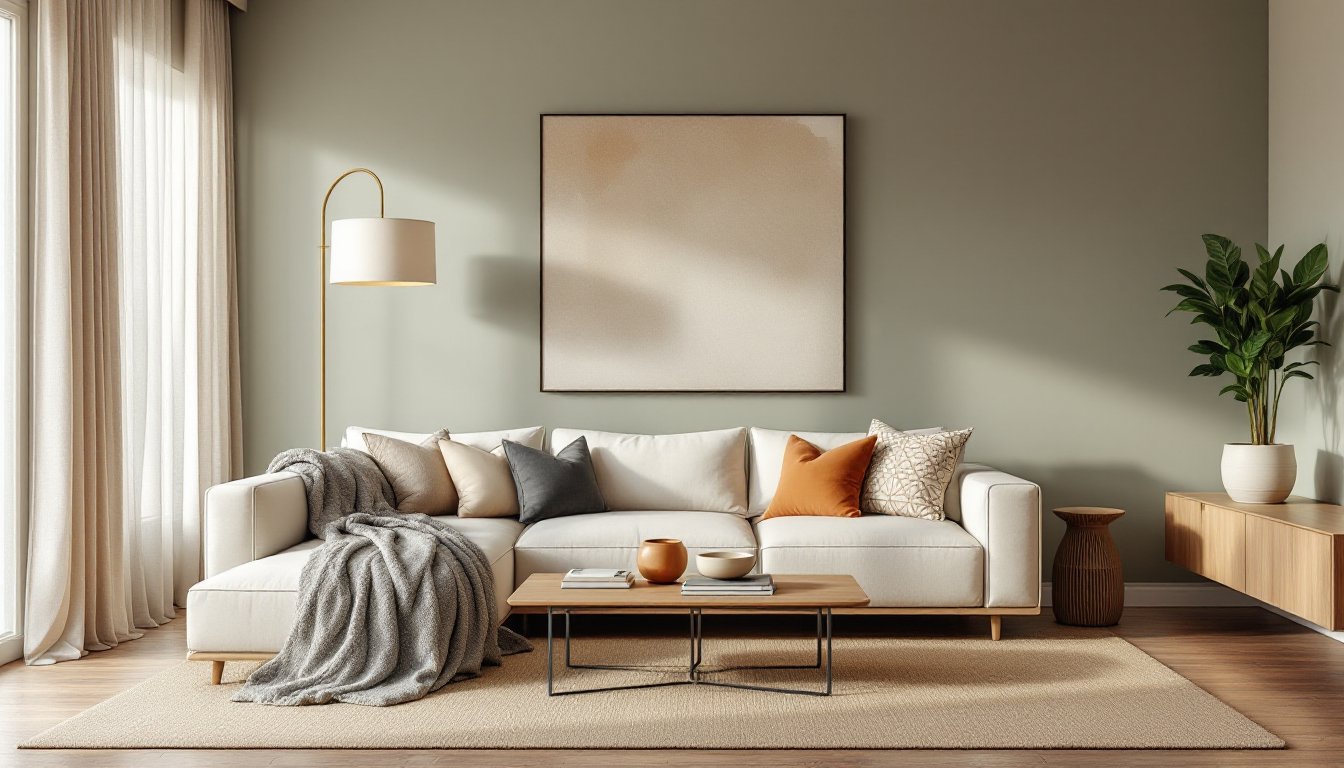
Sage green has evolved from farmhouse trend to genuine design classic. Its muted, earthy tone brings warmth without overwhelming a space, making it ideal for modern interiors that prioritize calm and livability. Unlike bolder greens, sage doesn’t demand constant attention, it anchors a room while giving you flexibility with furniture, textures, and accent colors. Whether someone’s painting walls, swapping textiles, or committing to a full redesign, sage green works because it’s forgiving. This guide walks through the practical decisions, color pairings, furniture choices, paint application, and finishing touches, that turn sage green from a Pinterest pin into a cohesive, functional living room.
Table of Contents
ToggleKey Takeaways
- Sage green living rooms succeed by balancing neutral walls with intentional color palettes—pair warm whites, earthy tones, and brass accents to avoid a washed-out appearance.
- Furniture should feature clean lines and neutral upholstery (linen, oatmeal, light gray) to complement sage without competing, while natural wood frames tie the earthy aesthetic together.
- Proper paint application requires surface prep, a tinted primer, and eggshell or satin finishes to hide imperfections and withstand cleaning in high-traffic homes.
- Layer textures through rugs, throw pillows, velvet upholstery, and linen curtains to prevent modern sage green spaces from feeling flat or one-dimensional.
- Warm lighting (2,700–3,000 Kelvin) and thoughtfully placed accessories like large-scale art and plants anchor the palette while maintaining the room’s calm, livable character.
Why Sage Green Is the Perfect Choice for Modern Living Rooms
Sage green sits comfortably between gray and green, borrowing the neutrality of one and the organic warmth of the other. It reads differently depending on natural light, cooler in north-facing rooms, warmer in southern exposures, which gives it adaptability across various spaces.
Modern interiors lean on neutral backbones, and sage qualifies. It pairs as easily with white oak flooring as it does with charcoal tile or painted brick. Unlike stark whites or grays, sage adds subtle color without requiring a full commitment to bold hues.
From a practical standpoint, sage hides minor wall imperfections better than bright whites. It’s also a smart choice for homes with pets or kids, scuffs and smudges show less on muted tones. Psychologically, green tones are associated with relaxation and focus, making sage a solid pick for a space meant for unwinding after work or hosting weekend guests.
The color works across design styles. Pair it with natural wood and linen for Scandinavian-inspired minimalism, or combine it with brass fixtures and velvet upholstery for something more layered and eclectic. Sage doesn’t lock anyone into a single aesthetic, which is why it’s remained relevant beyond seasonal trend cycles.
Essential Color Palettes That Complement Sage Green
Sage green functions best when supported by a deliberate palette. The wrong companion colors can make it look washed out or overly busy.
Neutrals: Warm whites (with cream or beige undertones) prevent sage from feeling cold. Avoid stark whites unless the room gets abundant natural light. Soft grays, specifically those with warm undertones, work well for trim, cabinetry, or larger furniture pieces. Taupe and greige bridge sage and warmer browns without clashing.
Earthy Tones: Terracotta, rust, and clay tones create grounded, natural combinations. These work especially well in textile choices, throws, pillows, or area rugs. Warm browns (think walnut or aged leather) add depth without competing for attention.
Metallics: Brass and brushed gold bring warmth and a bit of elegance. They’re ideal for lighting fixtures, cabinet hardware, or picture frames. Matte black offers contrast and works well in modern contexts, consider black window frames, light fixtures, or furniture legs.
Accent Colors: Blush pink softens sage without adding heaviness. Mustard yellow adds energy in small doses (pillows, artwork). Charcoal or deep navy can anchor a space if sage covers large wall areas. Those seeking inspiration for integrating these palettes should explore modern design pairings that balance color with function.
What to Avoid: Pure white can look sterile against sage. Bright, cool blues often clash. Olive greens muddy the palette rather than complement it.
Selecting Furniture for a Modern Sage Green Living Room
Furniture choices either support sage green’s subtlety or overwhelm it. Modern living rooms benefit from pieces with clean lines and thoughtful proportions.
Sofas and Seating: A neutral sofa, linen, oatmeal, light gray, keeps the room flexible. If the walls are sage, the sofa should provide contrast without competing. Leather works, particularly in caramel or cognac tones. Avoid matching sage upholstery to sage walls unless there’s significant tonal variation or texture contrast (velvet sage sofa against matte sage walls, for example).
Armchairs can introduce pattern or a complementary accent color. Look for pieces with exposed wood frames in walnut or oak. Those frames tie the color palette to natural materials, which suits sage’s earthy character.
Coffee Tables and Side Tables: Wood is the safest bet, light ash, white oak, or walnut depending on whether the space skews warm or cool. Glass tables work in smaller rooms to maintain visual openness. Metal bases (brass, matte black) add an intentional modern edge.
Storage and Media Units: Floating media consoles in natural wood keep sightlines clean. Avoid heavy, dark wood pieces unless the room is large and well-lit. Open shelving in black metal or light wood provides functional storage without visual weight. Many contemporary home design examples demonstrate how streamlined furniture anchors a sage palette without clutter.
Scale and Proportion: Modern spaces benefit from fewer, larger pieces rather than many small ones. A substantial sectional beats a sofa-plus-loveseat combo in most open-plan living rooms. Leave space between furniture and walls, 18 to 24 inches of clearance keeps the room from feeling cramped.
Wall Treatments and Paint Techniques
Application matters as much as color choice. Sage green on walls requires thoughtful prep and the right finish.
Surface Prep: Patch holes with spackle or joint compound, then sand smooth with 120-grit sandpaper. Wipe walls with a damp cloth to remove dust. Prime with a tinted primer close to the final color, it reduces the number of topcoats needed and improves color accuracy. For previously painted walls in good condition, a stain-blocking primer works. If dealing with new drywall, use a PVA drywall primer.
Paint Finish: Eggshell or satin finishes are ideal for living rooms. They’re cleanable without the glare of semi-gloss. Flat finishes hide imperfections but don’t hold up to cleaning. In high-traffic homes, satin is the better choice. Coverage typically runs 350 to 400 square feet per gallon, depending on porosity and application method.
Application Tips: Use a 3/8-inch nap roller for smooth walls, 1/2-inch for textured. Cut in edges with a 2.5-inch angled brush, then roll in W-shaped patterns to avoid lap marks. Two coats are standard: three may be needed over darker colors. Always wear a respirator or N95 mask in poorly ventilated spaces, especially with low-VOC paints that still off-gas during application.
Accent Walls: If a full sage room feels too bold, one accent wall works, typically the wall behind the sofa or the one opposite the main entry. Pair it with warm white on remaining walls.
Alternative Treatments: Shiplap painted sage adds texture in a modern farmhouse context. Board-and-batten wainscoting in sage with white above creates contrast and breaks up wall height. For a bolder look, consider a limewash or mineral paint for a matte, textured finish that adds depth. Some prefer textured wall treatments for visual interest beyond flat color.
Textures, Textiles, and Layering Strategies
Sage green rooms fall flat without texture. Layering different materials adds dimension and prevents the space from reading one-note.
Rugs: Wool or jute rugs ground the seating area. Jute brings an organic, casual feel. Wool adds softness underfoot and works better in homes with kids or pets. Look for rugs at least 8×10 feet for standard living rooms, undersized rugs make furniture look disconnected. Persian or Turkish rugs with rust, cream, and charcoal tones layer pattern without overwhelming sage walls.
Throw Pillows and Blankets: Mix textures, linen, velvet, wool, and boucle. Stick to three to five pillows per sofa. Use odd numbers for a less formal look. Incorporate one patterned pillow (geometric, abstract, or botanical prints) among solids. Blankets draped over the arm of a sofa or folded on an ottoman add warmth and are actually functional in cooler months.
Curtains and Window Treatments: Linen curtains in cream or warm white soften windows and filter light. Hang rods close to the ceiling and let panels skim the floor, this elongates the room visually. For light control, add cellular shades or roller blinds behind curtains. Avoid heavy, dark drapes unless the room is oversized.
Upholstery Details: Contrast stitching, nailhead trim, or exposed wood legs on chairs add visual interest. Channel-tufted sofas or chairs with woven cane backs introduce texture that complements sage without competing.
Layering Order: Start with the largest elements (rug, sofa), then layer in smaller textiles (pillows, throws), and finish with accessories. Each layer should introduce a new texture or subtle color variation to build depth.
Lighting and Accessories to Complete the Look
Lighting transforms how sage green reads throughout the day. Accessories anchor the palette and give the room personality.
Overhead Lighting: Pendant lights or a modern chandelier work in rooms with higher ceilings (9 feet or more). Choose fixtures in brass, matte black, or natural wood. Avoid chrome, it reads cold against sage. For standard 8-foot ceilings, a flush-mount or semi-flush fixture in a warm finish keeps the room from feeling cramped.
Task and Ambient Lighting: Floor lamps with linen or fabric shades provide soft, diffused light. Aim for 2,700 to 3,000 Kelvin bulbs, warm white that complements sage without casting yellow tones. Table lamps on side tables or console tables add layered lighting. Use three-way bulbs for adjustable brightness.
Accent Lighting: Picture lights above artwork or LED strip lighting behind floating shelves add subtle drama. In rooms with architectural features (exposed beams, alcoves), consider uplighting to highlight texture.
Art and Wall Decor: Large-scale art (36×48 inches or larger) anchors the space. Look for pieces with warm tones, terracotta, cream, ochre, or abstract work with sage, black, and white. Avoid overly bright or cool-toned art that clashes with the palette. Gallery walls work if frames are cohesive (all black, all wood, or all brass).
Plants and Natural Elements: Real plants, fiddle leaf figs, snake plants, pothos, add life and reinforce the organic feel of sage. Use ceramic or terracotta pots in neutral tones. Dried grasses or branches in ceramic vases add height and texture without maintenance.
Functional Accessories: Trays (wood, marble, or brass) corral remotes and coasters on coffee tables. Ceramic or stoneware bowls hold keys or small items. Books stacked on side tables or shelves add color and function. Keep accessories minimal, three to five items per surface max.
Conclusion
A modern sage green living room succeeds when color, furniture, texture, and light work together rather than compete. Start with a clear plan, decide whether sage appears on walls, furniture, or accents, then build the palette and materials around that anchor. Prep work and quality materials matter more than rushing to finish. Take time with paint application, invest in a few solid furniture pieces rather than many cheap ones, and layer textures deliberately. The result is a space that feels intentional, livable, and genuinely comfortable, not just styled for a photo.